
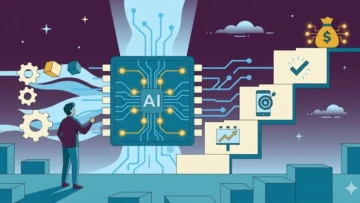
Digital advertising no longer belongs only to agencies and in-house creative teams. With the rise of AI-powered tools, even first-time marketers can launch professional campaigns in minutes.
One of the most accessible tools in this space is the AI ad generator. Designed to automate copywriting, visuals, and even video production, these platforms are reshaping how ads are built and tested.
What Is an AI Ad Generator?
An AI ad generator is software that uses artificial intelligence to create advertising assets automatically. Depending on the platform, it can produce:
- Ad copy and headlines
- Scroll-stopping hooks
- Static image creatives
- Short-form video ads
- UGC-style promotional clips
- Calls-to-action (CTAs)
Instead of starting from a blank page, users input product details, brand information, or a website link. The system then generates ready-to-use ad variations optimized for platforms such as TikTok, Instagram, Facebook, YouTube, and Google.
For beginners, this removes one of the biggest barriers: technical production skills.
Why AI Ad Generators Matter for Beginners
Launching ads traditionally required multiple skills—copywriting, design, video editing, and platform knowledge. AI condenses those steps into a guided workflow.
Here’s why newcomers benefit most:
Faster Production Cycles
Tasks that once took days—script writing, creative design, editing—can now be completed in minutes.
Lower Costs
There’s no immediate need to hire freelance designers or video editors. This is particularly valuable for startups and solo founders.
Easier Testing
AI tools generate multiple variations instantly. More variations mean faster learning about what resonates with your audience.
For beginners, speed equals education. The more campaigns you test, the faster you improve.
How an AI Ad Generator Works
While platforms vary, most follow a simple process.
1. Input Basic Information
Users provide product descriptions, website URLs, images, or short briefs explaining the offer.
2. AI Analysis
The system scans messaging patterns, audience signals, and platform best practices. Many tools are trained on high-performing campaign structures.
3. Asset Generation
The platform produces several ad versions tailored to the selected channel—short videos for TikTok, square images for Instagram, or display banners for Google.
Think of it as having a built-in junior creative team working instantly.
Types of Ads You Can Create
Modern AI ad generators support multiple formats:
- Short-form video ads for TikTok, Instagram Reels, and YouTube Shorts
- Image ads and banners for social feeds and display networks
- UGC-style videos that mimic influencer content
- Ad copy variations for A/B testing
- Platform-optimized creatives sized and formatted correctly
Some platforms focus heavily on performance-driven video, including tools like Tagshop AI, which specialize in UGC-style ads designed for social conversion campaigns.
Where AI Fits in the Marketing Funnel
An AI ad generator isn’t limited to one campaign stage.
Top of Funnel
Create attention-grabbing creatives designed to stop scrolling and drive clicks.
Middle of Funnel
Highlight product features, benefits, and social proof to build trust.
Bottom of Funnel
Generate offer-driven ads with urgency, testimonials, or discount messaging to convert users.
Used strategically, AI supports every stage of the customer journey.
Step-by-Step Guide for Beginners
If you’re just starting out, follow this structure:
Step 1: Define Your Objective
Are you aiming for traffic, leads, or direct sales? Clear goals improve AI output.
Step 2: Provide Clear Product Details
Concise descriptions help the tool generate more accurate messaging.
Step 3: Select the Platform
Choose where the ad will run. Good AI tools adapt tone, format, and length accordingly.
Step 4: Generate Multiple Variations
Avoid relying on a single creative. Produce several versions for testing.
Step 5: Review and Adjust
AI accelerates production, but human review ensures brand alignment.
Step 6: Launch and Analyze
Monitor performance data. Identify which hooks, visuals, or CTAs perform best.
Testing is where real learning happens.
Common Mistakes to Avoid
Even powerful tools require smart usage.
- Relying entirely on AI without reviewing output
- Testing only one ad variation
- Ignoring performance metrics
- Failing to refine messaging based on audience feedback
AI enhances execution—but strategy still matters.
Choosing the Right AI Ad Generator
For beginners, usability is critical. Look for platforms that:
- Offer simple onboarding
- Support short-form video creation
- Optimize content for specific platforms
- Allow customization before export
- Provide multiple ad variations
Free trials can help determine whether the interface matches your workflow.
Is AI Enough for Marketing Success?
An AI ad generator accelerates production and reduces costs, but it doesn’t replace marketing fundamentals. Understanding your audience, crafting compelling offers, and analyzing data remain essential.
The strongest results come when AI is paired with experimentation and iteration.
Over time, beginners learn how to guide the tool more effectively—improving prompts, refining inputs, and narrowing in on what converts.
The Future of AI in Advertising
AI tools are evolving rapidly. Future versions will likely:
- Optimize creatives based on live campaign data
- Personalize ads dynamically for different audience segments
- Automatically adjust messaging to improve performance
For new marketers, this means lower barriers to entry and greater access to professional-grade tools.
Summary
AI ad generators are transforming how beginners approach digital marketing. By automating copywriting, design, and video production, these tools reduce complexity and cost while increasing speed and testing capacity.
Used wisely, they provide a practical entry point into paid advertising. While strategy and human oversight remain crucial, AI empowers newcomers to compete with larger brands—without large teams or budgets.