
Darmstadt Strengthens Oversight of Player Protection
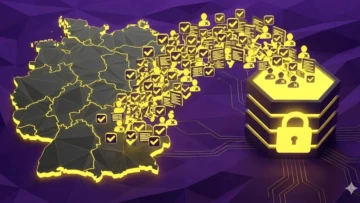
The Regional Council of Darmstadt has reported that Germany’s OASIS self-exclusion system processed over 5.2 billion player status checks in 2025, underscoring the massive scale of the database within the country’s regulated gambling framework.
OASIS — short for Online Abfrage Spielerstatus — serves as the centralized self-exclusion register for all gambling activities licensed under the Fourth Interstate Gambling Treaty (GluNeuRStV). It allows licensed online and land-based operators to verify whether a customer has self-excluded before permitting them to gamble.
The authority described the 2025 figures as proof of OASIS’s increasing importance as “a vital safeguard within Germany’s compliance and consumer protection infrastructure.”
Expanding Network and User Protections
Growing Participation in Exclusion
According to Darmstadt’s report, around 367,000 active player bans are now listed in the OASIS database. The system receives data from approximately 9,000 operators running across 41,000 gambling locations, including betting shops, casinos, and online platforms legally registered under federal law.
For 2025, about 60,000 new exclusion requests were processed. Although many applications were incomplete, the total number of submissions showed continued growth following the full digitalisation of the procedure in 2024. The modernization allowed individuals, third parties, and operators to file requests electronically, making the process faster and more accessible.
Officials added that further refinements are underway to improve technical monitoring and data safeguards, complementing wider addiction prevention efforts in coordination with the Gemeinsame Glücksspielbehörde der Länder (GGL) — Germany’s federal gambling regulator.
National Regulatory Review in Motion
GluNeuRStV Faces Its Five-Year Evaluation
The OASIS update comes as Germany prepares to review the GluNeuRStV regime in 2026, marking five years since its launch on 1 July 2021. The review will bring together state governments (Bundesländer) and the GGL to assess system performance and structural challenges.
Among the expected discussion points:
- The market’s channelization rate, currently believed to be below 50%.
- Stringent player onboarding requirements that some operators have described as overly restrictive.
- Criticism surrounding the €1,000 monthly cross-operator deposit limit and the €1 maximum online slot stake, which many view as barriers to competitiveness and channeling.
The GGL has stated it will reserve judgment until it receives the results of new Bremen University research on player behavior and gambling prevalence, expected later this year.
Next Steps: Toward “GlüStV 2029”
Stakeholders have been invited to provide feedback ahead of the upcoming interstate coordination review, which will influence future amendments to Germany’s gambling treaty. Early conversations in the gaming sector already refer to the potential next phase as “GlüStV 2029.”
The revision process will likely address enforcement capability, administrative harmonization, and integration between federal and state oversight bodies.
Summary
Germany’s OASIS self-exclusion platform continues to grow as a cornerstone of responsible gambling policy, reflecting both scale and institutional commitment to consumer protection.
With over five billion checks processed and more than 367,000 active exclusions, the system demonstrates the regulatory weight behind Germany’s reformed gambling market — even as debates intensify over whether the GluNeuRStV framework itself must evolve to keep pace with player behavior and market realities.